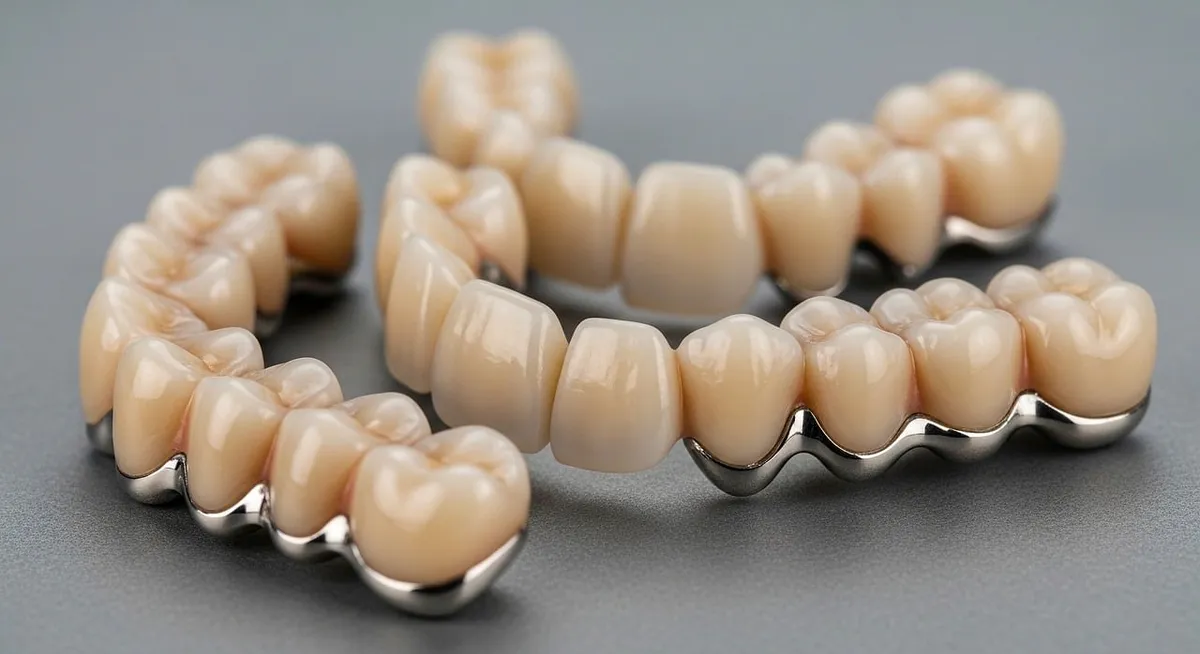
Lost Crown or Filling in Plano? Get Emergency Dental Help
Lost a Dental Crown or Filling in Plano? What to Do Next
A dental crown or filling can come loose when you least expect it. You might be eating dinner, getting ready for an important meeting, or preparing for a trip when you suddenly notice a hard piece in your mouth. The exposed tooth may feel sharp, sensitive, or uncomfortable when you bite down.
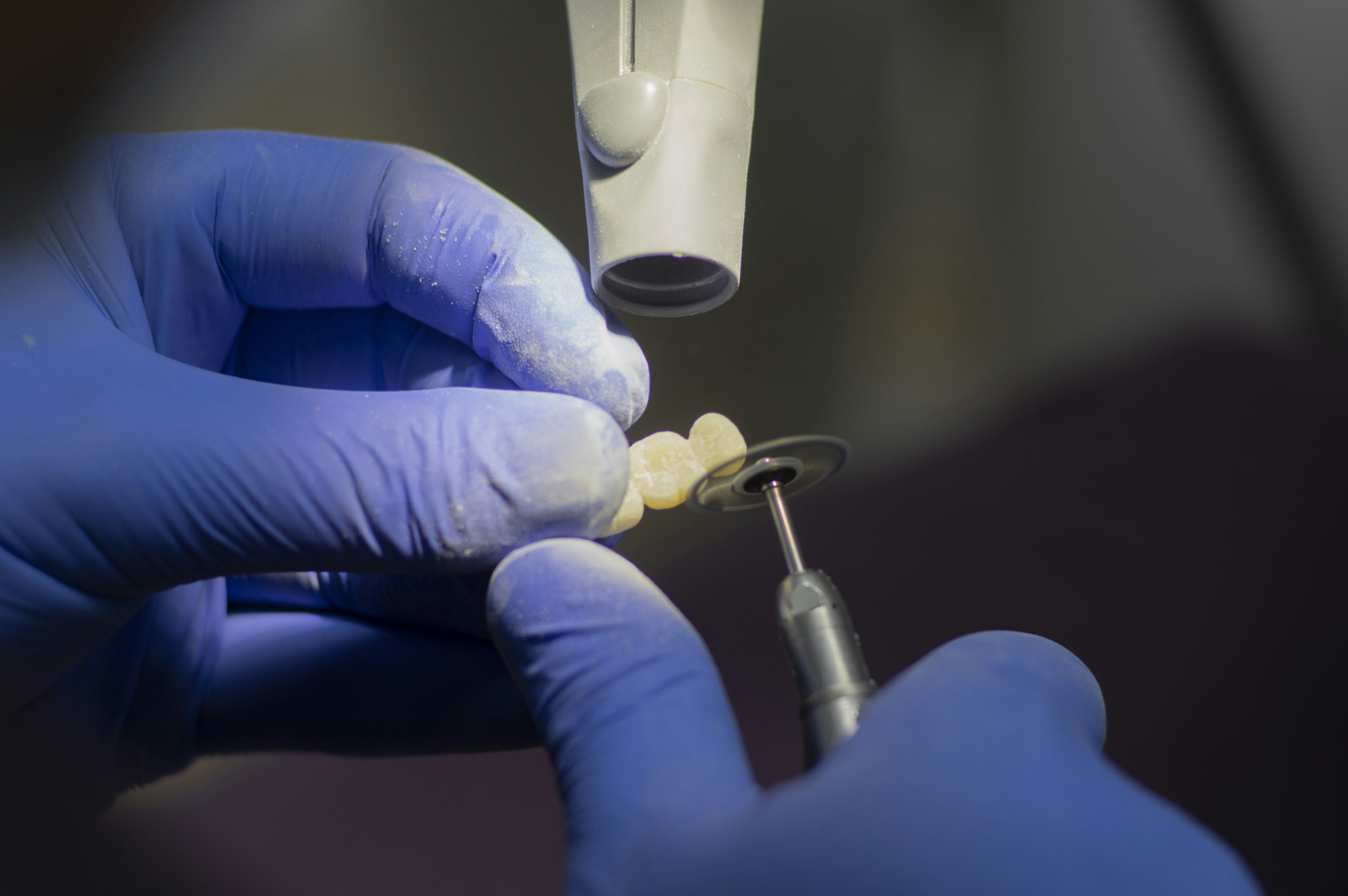
Your first concern may be whether the tooth can be saved. You may also worry about pain, the cost of a replacement, or whether you need treatment immediately.
If a crown or filling has fallen out in Plano, Texas, don't ignore the problem simply because the pain seems manageable. Contact an emergency dental provider to explain what happened and ask how soon the tooth should be examined.
Emergency Dental Plano lists restorative and emergency dental services on its website. Call (877) 462-0628 to ask about appointment availability and appropriate next steps.
Why Did My Dental Crown or Filling Fall Out?
A lost restoration does not automatically mean the tooth is beyond repair. However, the cause of the problem matters because the underlying tooth may have changed since the original treatment.
Several possibilities could explain why a crown or filling has come loose:
Wear or deterioration of the restoration: Older dental work may become damaged or lose its fit over time.
New tooth decay: Decay around or beneath a restoration may weaken the tooth or interfere with the restoration's stability.
A cracked or weakened tooth: A fracture or loss of supporting tooth structure may cause a crown or filling to become loose.
Biting pressure or trauma: Hard foods, grinding, or an accidental impact may damage a restoration or the tooth supporting it.
These possibilities cannot be distinguished reliably from symptoms alone. A dentist may need to examine the tooth and obtain dental X-rays to determine whether the original restoration can be replaced or whether additional treatment is necessary.
If you experience significant pain, swelling, or worsening sensitivity, arrange prompt professional assessment. Facial swelling accompanied by difficulty breathing or swallowing requires emergency medical evaluation.
What Should You Do When a Crown or Filling Comes Out?
The first priority is protecting the exposed tooth until you can receive professional care.
Follow these steps:
Retrieve the restoration if possible. Keep the crown or filling in a clean container and bring it to your appointment.
Rinse your mouth gently. Use water to remove loose food particles without irritating the affected area.
Avoid chewing on that side. Choose soft foods and avoid hard, sticky, very hot, or very cold items if they trigger discomfort.
Keep the area clean. Brush gently around the tooth without applying excessive pressure.
Arrange a dental appointment. Explain whether the restoration came out completely, whether the tooth is painful, and whether any portion appears broken.
Do not use household glue or permanent adhesives to reattach a crown. These products are not designed for oral use and can complicate treatment. Temporary dental products should only be used according to their instructions and appropriate professional guidance.
If the exposed tooth has a sharp edge, avoid touching it with your tongue or attempting to file it down. If appropriate for you, an over-the-counter pain reliever may be used according to its product label and professional advice.
Call (877) 462-0628 to ask Emergency Dental Plano how quickly you should be seen and whether an urgent appointment is available.
What Treatments Are Available for a Lost Crown or Filling?
The correct treatment depends on the condition of the tooth and the restoration.
Your dentist may consider several options:
Re-cementing an existing crown: If the crown and underlying tooth are intact and suitable for reuse, the dentist may be able to clean and reattach it.
Replacing the filling or crown: If the restoration is damaged or no longer fits properly, a new restoration may be recommended.
Treating tooth decay: If decay is present, the dentist may need to remove the affected tissue and restore the tooth.
Root canal therapy: If the inner tooth tissue is irreversibly inflamed or infected, root canal treatment may be considered before restoring the tooth.
Extraction: If the tooth is too damaged to be predictably restored, removal may be discussed.
Not every patient needs a new crown or root canal. An examination helps establish which treatments are appropriate and whether a temporary restoration can protect the tooth while a permanent solution is arranged.
Ask the dentist to explain the benefits, limitations, expected costs, and likely timeline for each suitable option. If you have an upcoming event, mention it when scheduling, but avoid assuming a permanent restoration can always be completed in one visit.
Can You Wait Until Your Regular Dentist Is Available?
The urgency depends on the symptoms and the amount of damage.
A lost filling without significant pain may not require the same response as a damaged tooth with severe pain, swelling, or visible structural damage. Nevertheless, an exposed tooth can be sensitive and vulnerable to further damage.
Contact a dental professional promptly if you notice:
Persistent or increasing pain.
Severe sensitivity that interferes with eating or drinking.
A sharp fracture or a large missing portion of the tooth.
Swelling, fever, or other signs that could indicate infection.
If you have difficulty breathing or swallowing, or rapidly spreading facial or neck swelling, seek emergency medical care.
Even if the tooth does not hurt, arrange an assessment rather than assuming the problem has resolved. The restoration may have been protecting weakened tooth structure that now needs attention.
How Much Does Crown or Filling Repair Cost in Plano?
The cost varies according to the examination, diagnostic imaging, condition of the tooth, and treatment required. Reattaching a suitable existing crown may involve different costs from manufacturing a replacement or treating decay beneath it.
Before proceeding, ask about the examination fee, restoration costs, and whether additional procedures may be necessary.
Emergency Dental Plano's website describes payment options that include most PPO insurance plans, CareCredit financing subject to approval, and select prompt-pay savings. Contact the office to confirm current eligibility, fees, and terms.
If you are uninsured or concerned about affordability, explain that when you call. Ask for an estimate and whether treatment can be divided into stages when clinically appropriate.
Call Emergency Dental Plano for an Appointment
A lost crown or filling can leave a tooth vulnerable even when discomfort is mild. Prompt assessment can help establish whether the existing restoration can be reused or whether another treatment is needed.
If you're in Plano, Frisco, Allen, Richardson, McKinney, or a nearby community, call (877) 462-0628 to ask Emergency Dental Plano about appointment availability, restoration options, and estimated costs.
Describe what came out, when it happened, and whether you have pain or swelling. Ask what precautions you should take before your appointment.
Disclaimer: This article provides general information only and should not be construed as professional medical or dental advice, diagnosis, or treatment. Always consult with a licensed dentist or healthcare provider regarding any dental emergency or medical condition.
