
Chipped, Loose, or Knocked-Out Tooth in Plano? Act Quickly
Chipped, Loose, or Knocked-Out Tooth in Plano? What to Do After an Accident
A collision during a basketball game, an accidental elbow during soccer, or an unexpected fall can damage a tooth in seconds. You may notice bleeding, a chipped edge, a loose tooth, or a tooth that has been completely knocked out.
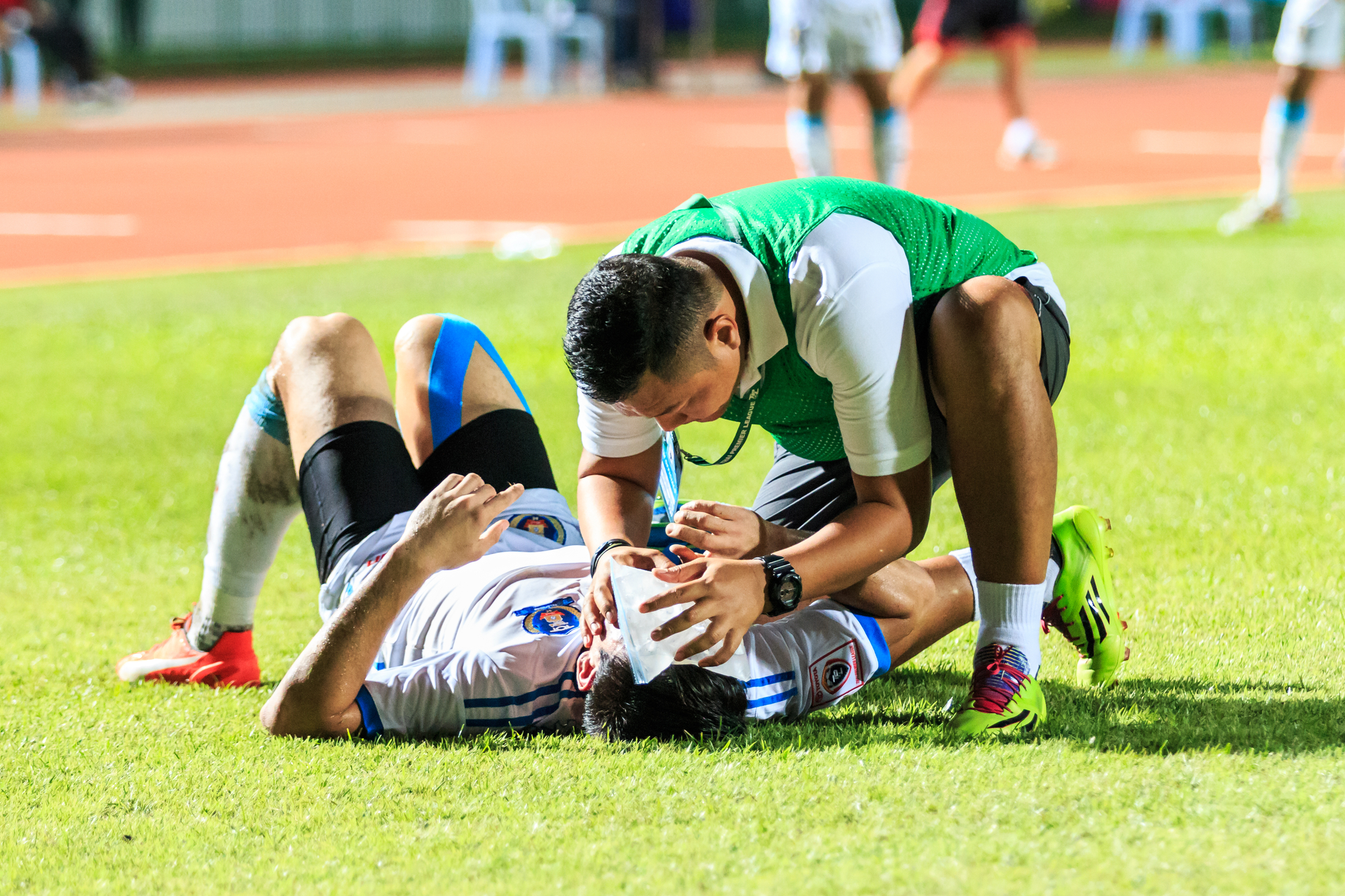
In that moment, it can be difficult to know whether the injury is minor or requires immediate treatment. You may also worry about permanent damage, pain, and whether the tooth can be saved.
If you or a family member experiences a dental injury in Plano, Texas, act promptly. Contact an emergency dental provider for instructions and an urgent assessment. Some dental injuries are time-sensitive, particularly when a permanent tooth has been knocked out.
Call (877) 462-0628 to ask Emergency Dental Plano about availability and the appropriate next step.
How Serious Is a Tooth Injury After an Accident?
The appearance of a damaged tooth does not always reveal the full extent of an injury. A small chip may be relatively straightforward to treat, while a tooth that looks intact may have damage involving its root or supporting tissues.
Several different injuries could explain what you notice:
A chipped or fractured tooth: An impact may break part of the enamel or extend into deeper tooth structures.
A loosened or displaced tooth: A blow may injure the ligaments supporting the tooth or move it out of its normal position.
A knocked-out permanent tooth: The entire tooth may come out of its socket, creating a time-sensitive dental emergency.
An injury to the surrounding tissues: Trauma may affect the gums, lips, jaw, or other facial structures, sometimes alongside tooth damage.
These are different possibilities, and a dental examination is needed to assess the injury. Depending on the circumstances, a healthcare professional may also need to evaluate facial or head trauma.
Seek urgent dental care for a loose, displaced, fractured, or knocked-out tooth. If the accident involved loss of consciousness, confusion, vomiting after a head injury, severe facial trauma, uncontrolled bleeding, or suspected jaw fracture, seek emergency medical assessment.
Difficulty breathing or swallowing is also a medical emergency.
What Should You Do Immediately After a Tooth Injury?
The right first-aid steps depend on the type of injury. While arranging professional care, avoid actions that could worsen the damage.
If a permanent tooth has been knocked out:
Find the tooth and pick it up by the crown, which is the visible chewing surface.
Avoid touching or scrubbing the root.
If it is dirty, gently rinse it with milk or saline if available. Do not scrub it or use disinfectants.
If you are certain it is a permanent tooth, you are conscious, and you can do so safely, gently reinsert it into the socket without forcing it. Otherwise, keep it moist in milk or an appropriate tooth-preservation solution and seek immediate dental guidance.
Get emergency dental care immediately. Time is critical for the chance of successful reimplantation.
Never attempt to reinsert a baby tooth. If you're uncertain whether the tooth is permanent, ask a dental professional immediately.
For a chipped or fractured tooth:
Rinse your mouth gently with water.
Save any recovered fragments in a clean container.
Apply a cold compress externally if swelling develops.
Avoid chewing with the injured tooth.
If there is bleeding, apply gentle pressure with clean gauze when appropriate.
Do not attempt to reposition a displaced tooth yourself unless a dental professional specifically instructs you to do so. Avoid placing aspirin directly against injured gum tissue.
Call (877) 462-0628 to ask about urgent dental evaluation. If you suspect a serious head, jaw, or facial injury, prioritize emergency medical care.
What Emergency Treatments May Be Needed After Dental Trauma?
Treatment depends on the location and extent of the damage, whether the tooth remains in its socket, and whether the root or surrounding tissues have been affected.
Possible treatments include:
Dental bonding or restoration: A suitable chipped tooth may be repaired with tooth-colored restorative material.
Stabilization or splinting: A loosened or displaced tooth may require professional repositioning and stabilization, depending on the injury.
Root canal therapy: Some injured teeth develop irreversible damage to the inner tissue and may require root canal treatment, either initially or during follow-up.
Reimplantation and monitoring: A knocked-out permanent tooth may be eligible for reimplantation, followed by appropriate stabilization and monitoring.
Extraction: If a tooth is too severely damaged to be predictably preserved, removal may be considered.
These treatments are not interchangeable, and not every injured tooth needs the same procedure. Some injuries also require follow-up examinations because complications may appear after the initial accident.
A dentist may recommend imaging to assess the tooth and surrounding structures. Depending on the findings, additional treatment or referral to a specialist may be necessary.
When you contact Emergency Dental Plano, explain how the accident happened, when it occurred, and whether the tooth is loose, broken, displaced, or missing. Ask whether the office can assess the specific injury and whether you should seek care elsewhere immediately.
Can a Tooth Injury Cause Problems Even If It Doesn't Hurt?
Yes. A tooth can sustain damage without causing severe immediate pain. Trauma may affect the supporting ligaments, root, or inner tooth tissue even when the visible surface appears relatively normal.
After an accident, pay attention to changes such as:
Increasing sensitivity to temperature or pressure.
Discoloration of the injured tooth.
Gum swelling or tenderness.
A change in the way your teeth fit together.
New looseness or discomfort when biting.
These signs do not establish a specific diagnosis, but they warrant professional evaluation. Do not wait for severe pain to develop before arranging an assessment after a significant impact.
Follow the dentist's instructions regarding activity, oral hygiene, diet, and follow-up visits. If you participate in contact sports, ask about an appropriately fitted mouthguard after the injury has been assessed.
How Much Does Emergency Dental Injury Treatment Cost?
Costs depend on the injury and the treatment required. A small chip may need a different level of care from a displaced tooth, a root fracture, or a knocked-out permanent tooth.
When possible, ask about the examination fee, imaging costs, expected treatment expenses, and whether additional visits will be needed.
Emergency Dental Clinics of Plano describes payment options on its website, including most PPO insurance plans, CareCredit financing subject to approval, and select prompt-pay savings. Confirm current terms and eligibility with the office.
However, do not delay time-sensitive treatment for a knocked-out permanent tooth while trying to establish the full cost. Seek immediate professional guidance and discuss financial arrangements as soon as practical.
Where to Get Urgent Dental Care in Plano After an Accident
A dental injury can happen during sports, at work, at home, or in a traffic accident. The safest next step depends on the injury and whether other parts of the face or head may be affected.
If you are in Plano, Frisco, Allen, Richardson, McKinney, or a nearby community, call (877) 462-0628 to ask Emergency Dental Plano about urgent appointment availability and treatment options.
Explain what happened, when the injury occurred, and whether a tooth is chipped, loose, displaced, or knocked out. If a permanent tooth has been knocked out, emphasize that fact and seek immediate care.
Do not assume a tooth is safe simply because the pain is manageable. Prompt evaluation can help identify hidden damage and determine the most appropriate treatment.
Disclaimer: This article provides general information only and should not be construed as professional medical or dental advice, diagnosis, or treatment. Always consult with a licensed dentist or healthcare provider regarding any dental emergency or medical condition.
